
Google’s visual AI ecosystem is evolving faster than ever, and finding the perfect balance between generation speed and hyper-realistic detail can be a challenge. In this deep dive, we are putting three powerful variants to the test: Nano Banana Lite, Nano Banana 2, and Nano Banana 2 Lite. Using an identical architectural prompt—a minimalist luxury eco-resort nestled under massive banyan trees and misty karst mountains—we explore how each model interprets texture, lighting, and complex natural environments. From atmospheric fog to razor-sharp wood grain, here is how Google’s latest models stack up against each other.
Table of Contents
The Prompt Behind the Scene
Every convincing AI image starts with precise language, not vague adjectives. Here’s the full prompt we used to generate a floating luxury villa wrapped in mist and jungle:
A high-end, minimalist luxury eco-resort villa built directly on the water, nestled under massive, ancient banyan trees with dense emerald green foliage. The architecture features clean horizontal lines, dark wood accents, and warm interior lighting glowing softly through floor-to-ceiling glass windows. An expansive wooden deck surrounds the villa, equipped with modern white lounge chairs and a matching patio umbrella. The scene is set on a perfectly calm, mirror-like lake reflecting the deep green of the water. In the background, towering, steep karst mountains emerge from a thick, ethereal mist and heavy fog, creating a moody, atmospheric rainy day vibe. Soft, diffuse cinematic lighting, hyper-realistic, 8k resolution, serene and tranquil mood.
Why This Prompt Works — The Key Phrases
- “Karst mountains” — the exact geological term for the steep, vertical peaks in the background, rather than a generic “mountains” that could return rounded hills.
- “Banyan trees” — tells the model the canopy should be wide, sprawling, and organic, with trunks and roots that visually wrap around the structure.
- “Moody, atmospheric rainy day vibe” and “ethereal mist” — sets a soft, shadowless light, produced by fog and overcast skies, giving the scene its mystical quality.
- “Warm interior lighting” — creates the contrast anchor between the cool, green exterior and the cozy glow inside the villa.
Nano Banana Pro vs. Nano Banana 2 vs. Nano Banana 2 Lite — Same Prompt, Three Results
Running the identical prompt across three model tiers reveals how each one prioritizes different parts of the description:
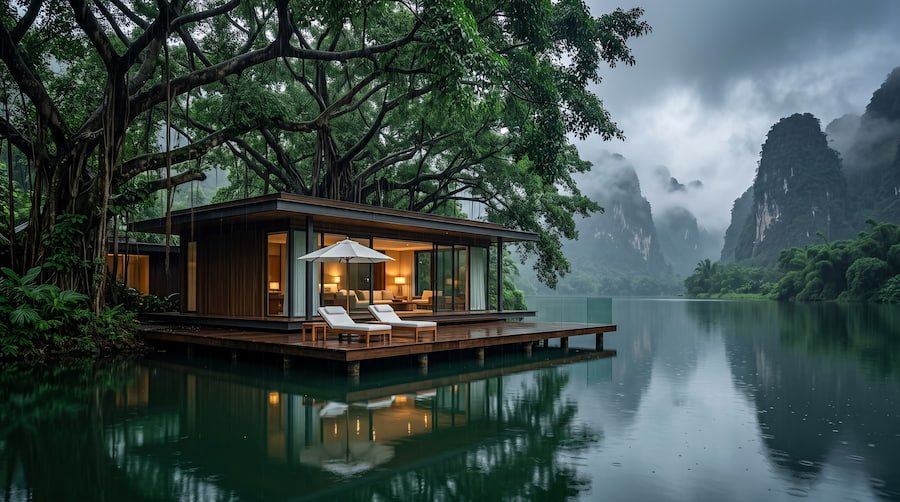
- Nano Banana Pro (top row) delivers the most balanced compositions. The villa’s horizontal architecture stays clearly visible, the karst mountains render sharp and prominent, and the water reflections are crisp and mirror-like. Foliage frames the scene without overwhelming it — the strongest match to the prompt’s “clean horizontal lines” instruction.
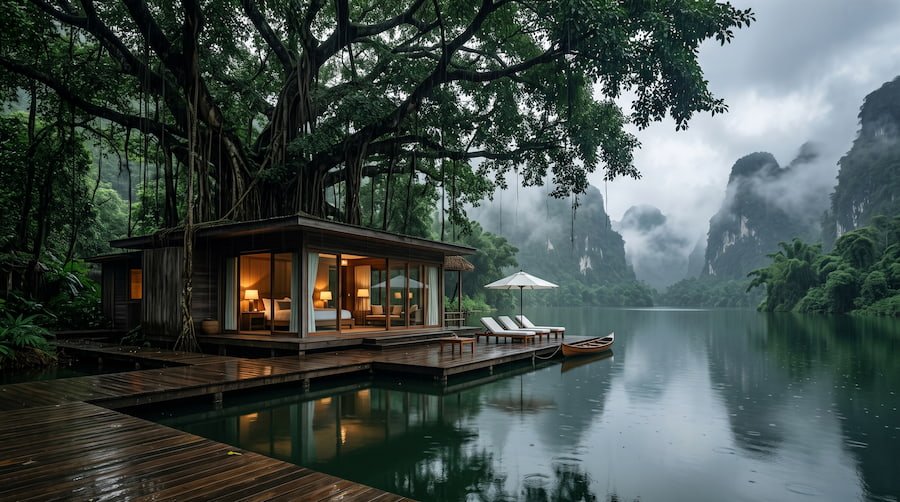
- Nano Banana 2 (middle row) leans hardest into the banyan trees. Canopies sprawl dramatically overhead, sometimes dwarfing the villa itself, and the fog reads heavier and moodier. Mountains soften into the mist rather than standing out — moodier, but less architecturally legible.
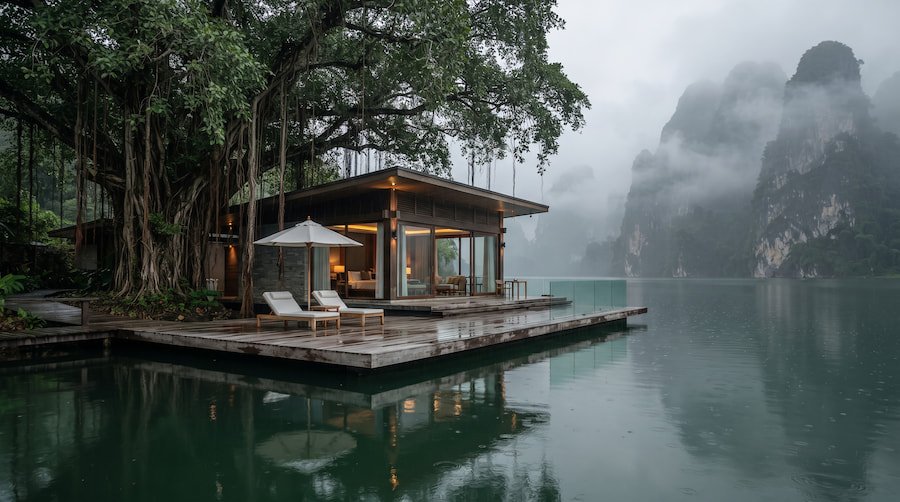
- Nano Banana 2 Lite (bottom row) sits closer to Pro’s balance, though with slightly softer detail and less consistent atmosphere — some frames show brighter, clearer skies instead of heavy fog, and one shot swings toward Banana 2’s tree-dominant look.
Nano Banana Pro
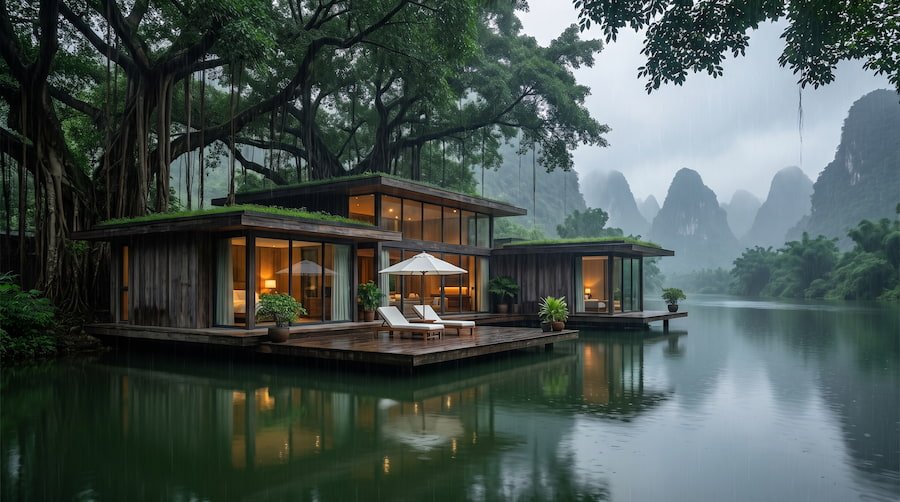
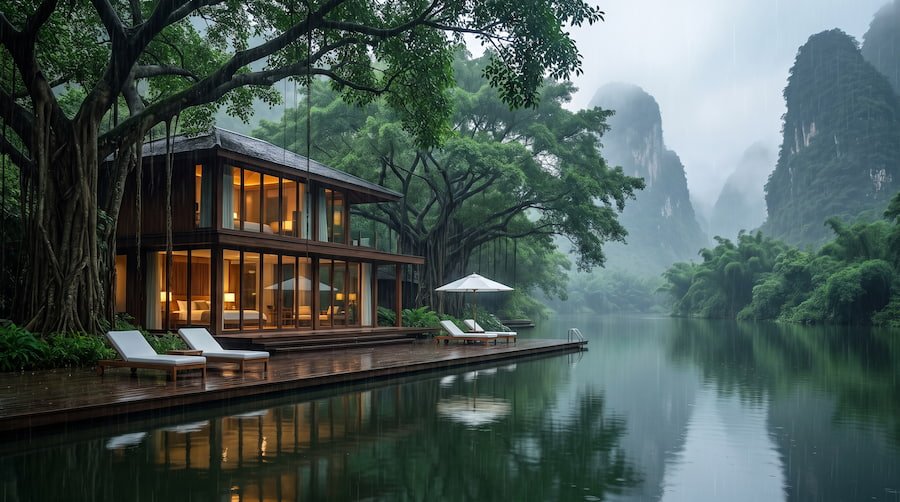
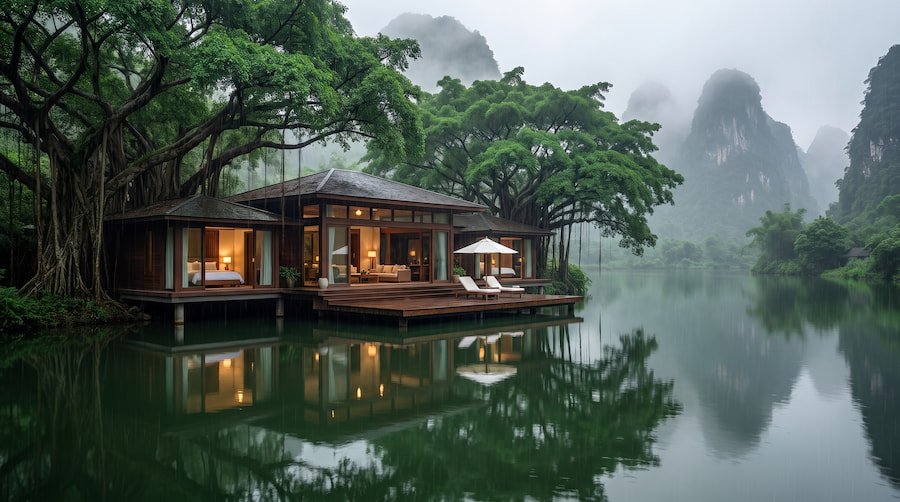
Nano Banana 2
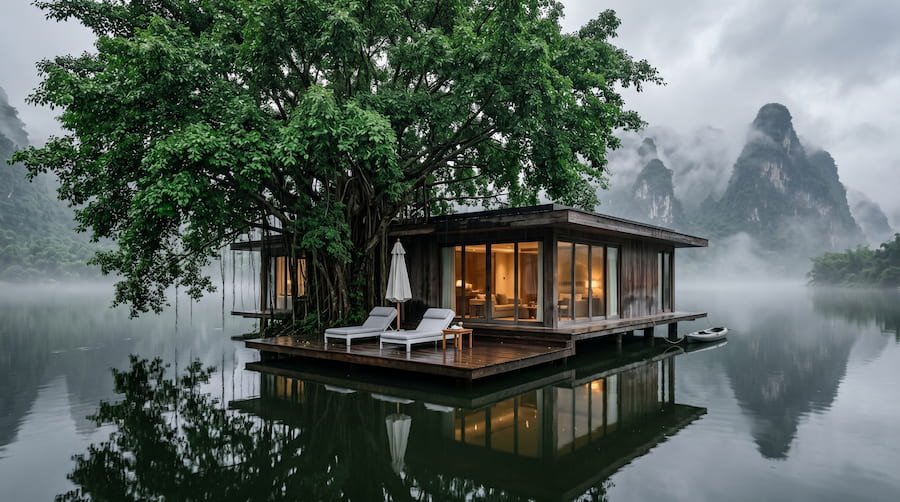
Nano Banana 2 Lite
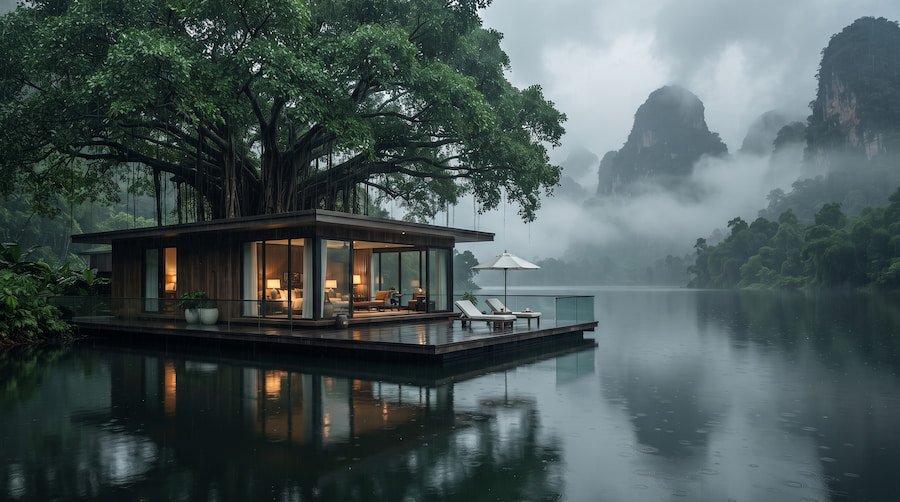
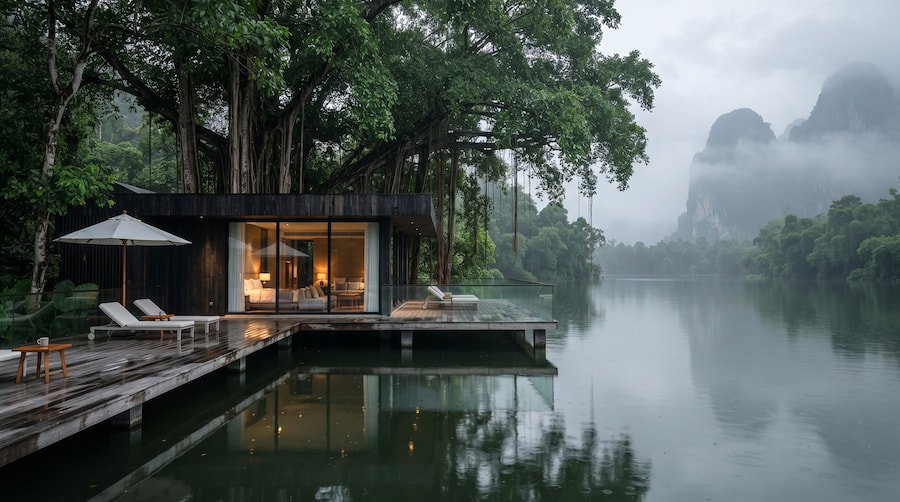
The takeaway: Pro is the most faithful to the full prompt, Banana 2 is the most atmospheric, and Lite is a solid middle ground when speed matters more than precision.
📊 Quick Comparison: Google’s Nano Banana Models At a Glance
| Model Variant | Image Detail & Sharpness | Lighting & Reflections | Rendering Efficiency | Best Used For… |
|---|---|---|---|---|
| Nano Banana Pro | ⭐⭐⭐⭐⭐ (Maximum photorealism & text) | ⭐⭐⭐⭐⭐ (Flawless lighting grounding) | ⭐⭐ (Heavy reasoning, high quality) | Complex infographics, professional designs, and text-perfect imagery. |
| Nano Banana 2 | ⭐⭐⭐⭐ (Hyper-realistic wood & foliage) | ⭐⭐⭐⭐⭐ (Complex atmospheric fog & glass) | ⭐⭐⭐ (High-end processing demand) | Final production renders and high-end cinematic visuals. |
| Nano Banana 2 Lite | ⭐⭐⭐⭐ (Crisp lines, optimized details) | ⭐⭐⭐⭐ (Great contrast & twilight physics) | ⭐⭐⭐⭐⭐ (Excellent speed-to-quality ratio) | Daily content creation, social media, and web-ready assets. |
Takeaway for Your Own Prompts
This prompt’s structure is reusable well beyond eco-resorts: setting + architecture + atmosphere + lighting contrast. Swap in your own location terms (specific geology, tree species, weather condition) and you’ll get the same level of control over mood and realism — regardless of which Banana model you run it through.
🎯 Final Verdict: Which Model Should You Use?
Choosing the right variant depends entirely on your project’s priorities. If you are looking for absolute photorealism, deep texture complexity, and cinematic atmosphere, Nano Banana 2 is the undisputed winner for final production assets. However, if you need a reliable, fast, and balanced model for everyday web content or social media without sacrificing crisp lines, Nano Banana 2 Lite strikes the perfect sweet spot. For ultra-fast concept brainstorming where speed trumps fine detail, the original Nano Banana Lite remains a highly efficient tool.